Fruits of Imagination (on-going)

In traditional Russian culture, vegetables were not objects of religious worship, yet they have always played an important role in folk beliefs, rituals, and folklore. The turnip, for instance, often appeared in fairy tales and proverbs. Onions and garlic were considered charms against evil spirits, as in other European cultures, while cabbage symbolized prosperity — its fermentation was accompanied by songs and rituals. There are even folk beliefs about how, in ancient Russia, cucumbers were planted with “Сucumber prayer services” to ensure a good harvest.
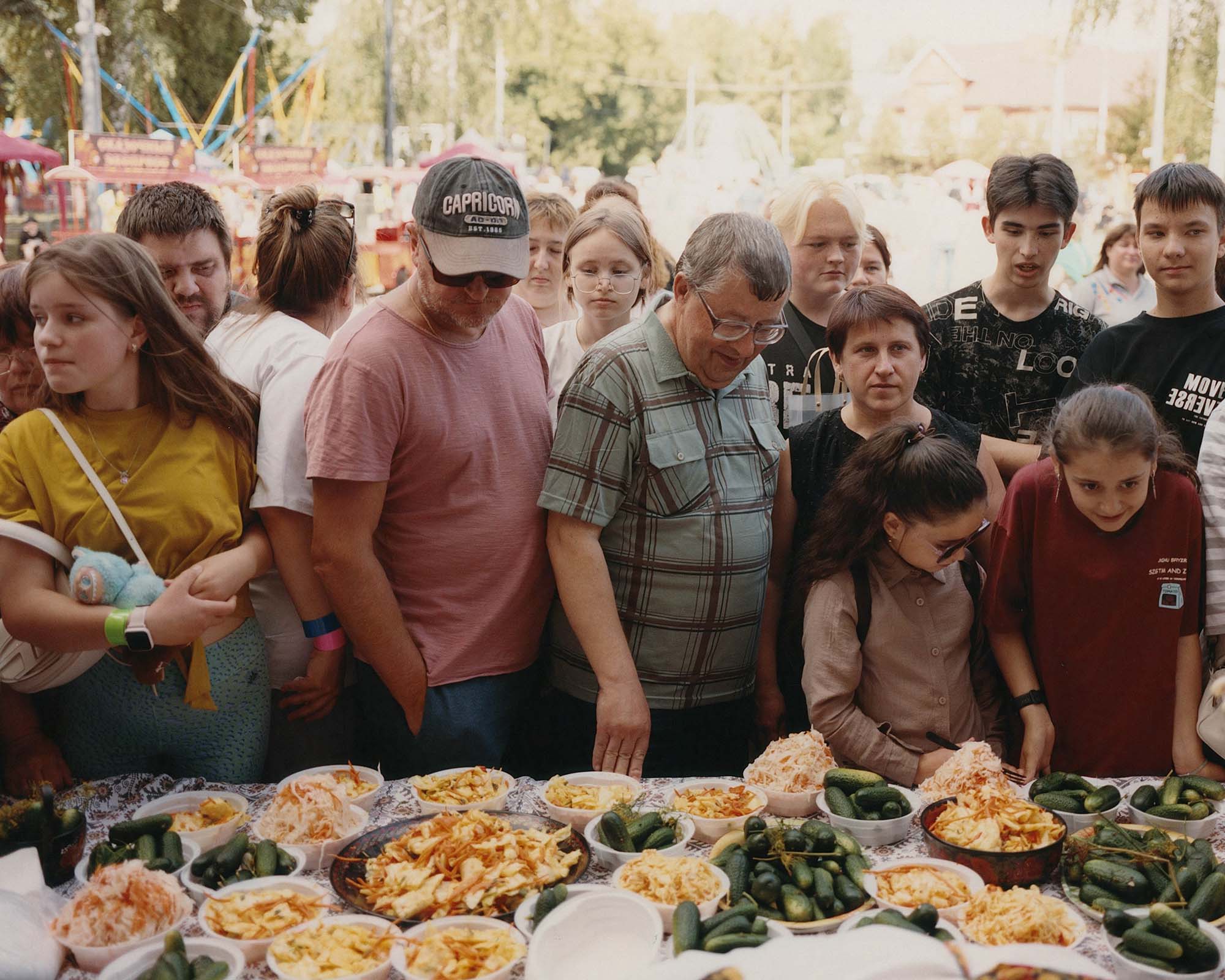
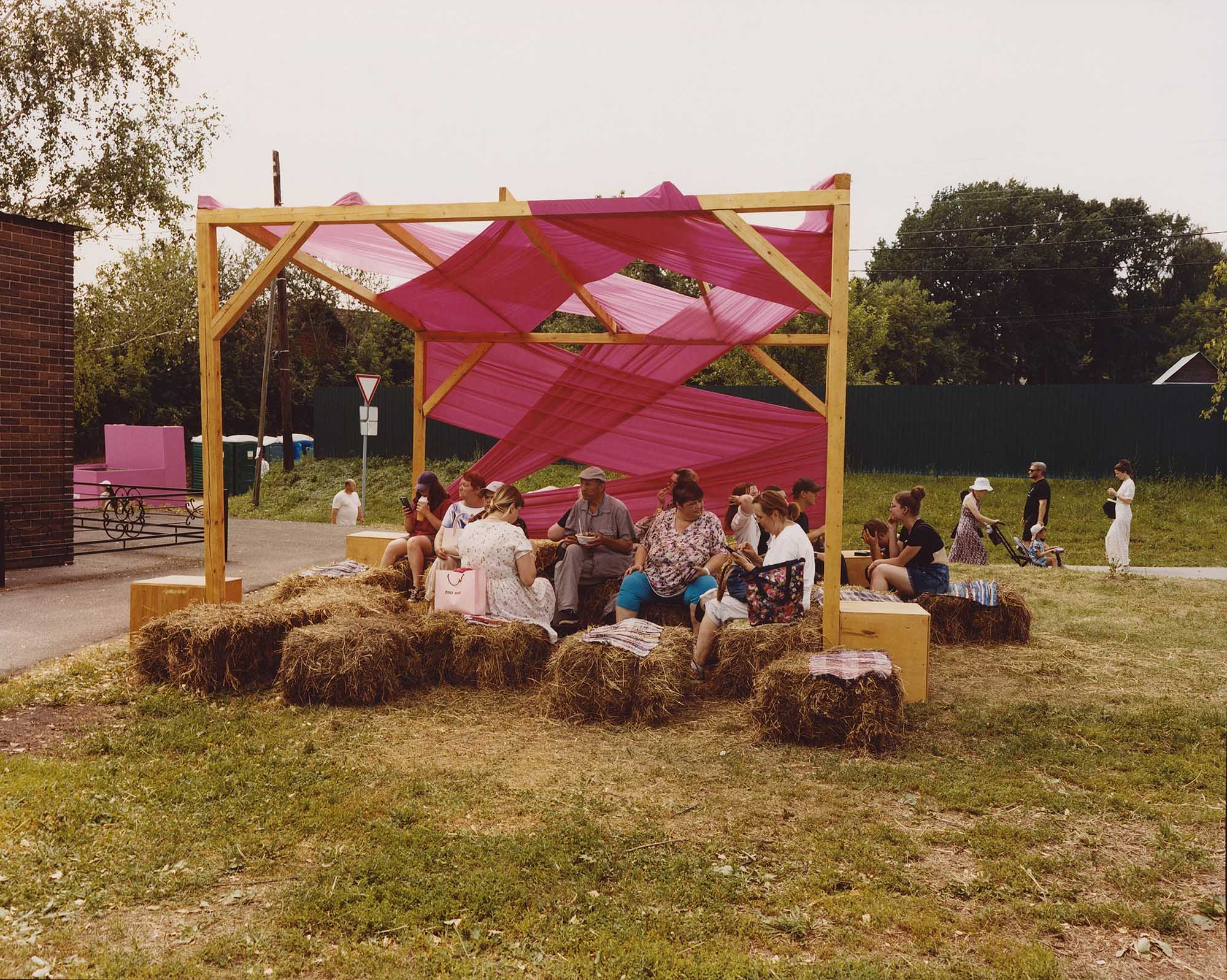
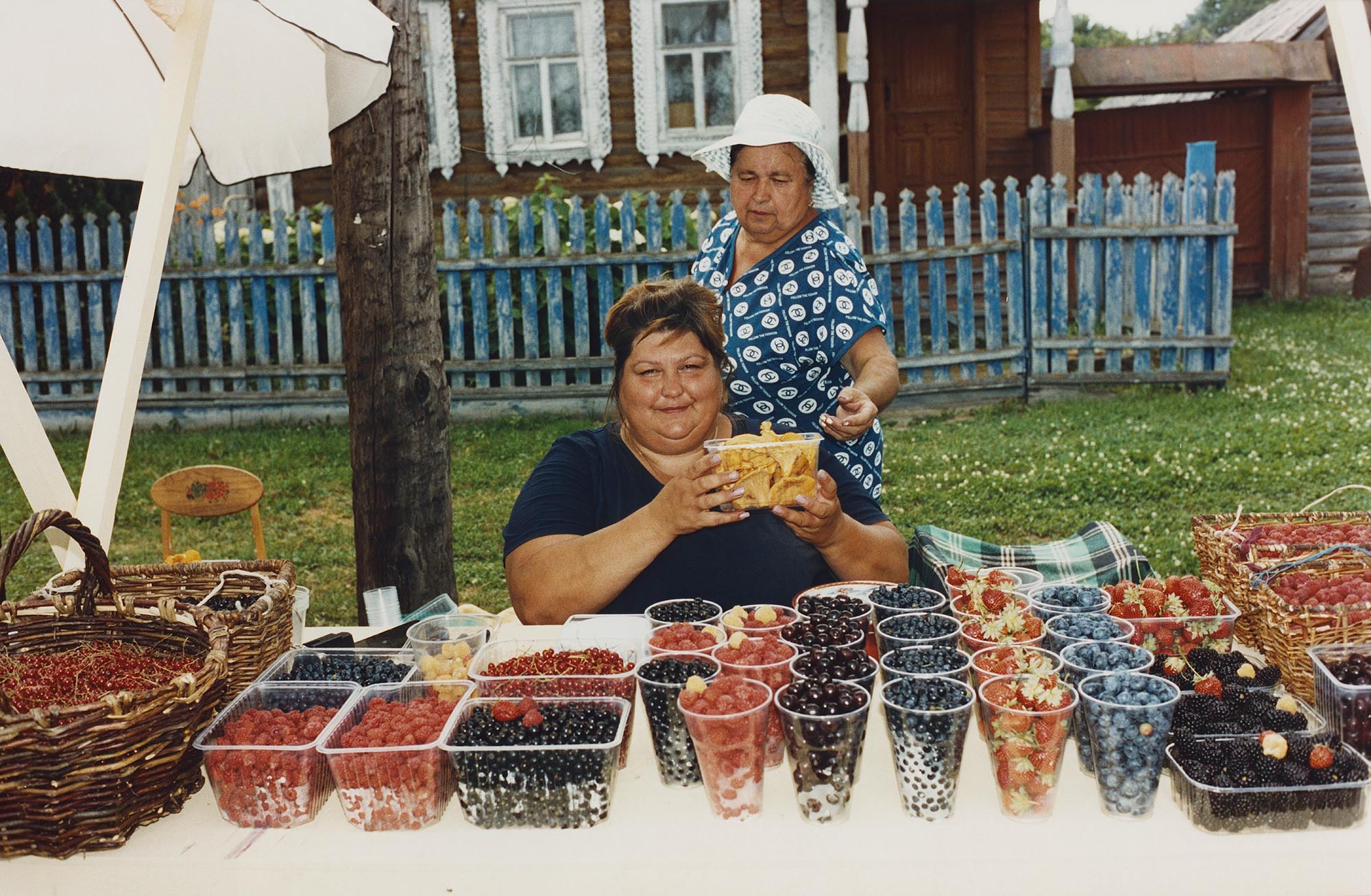
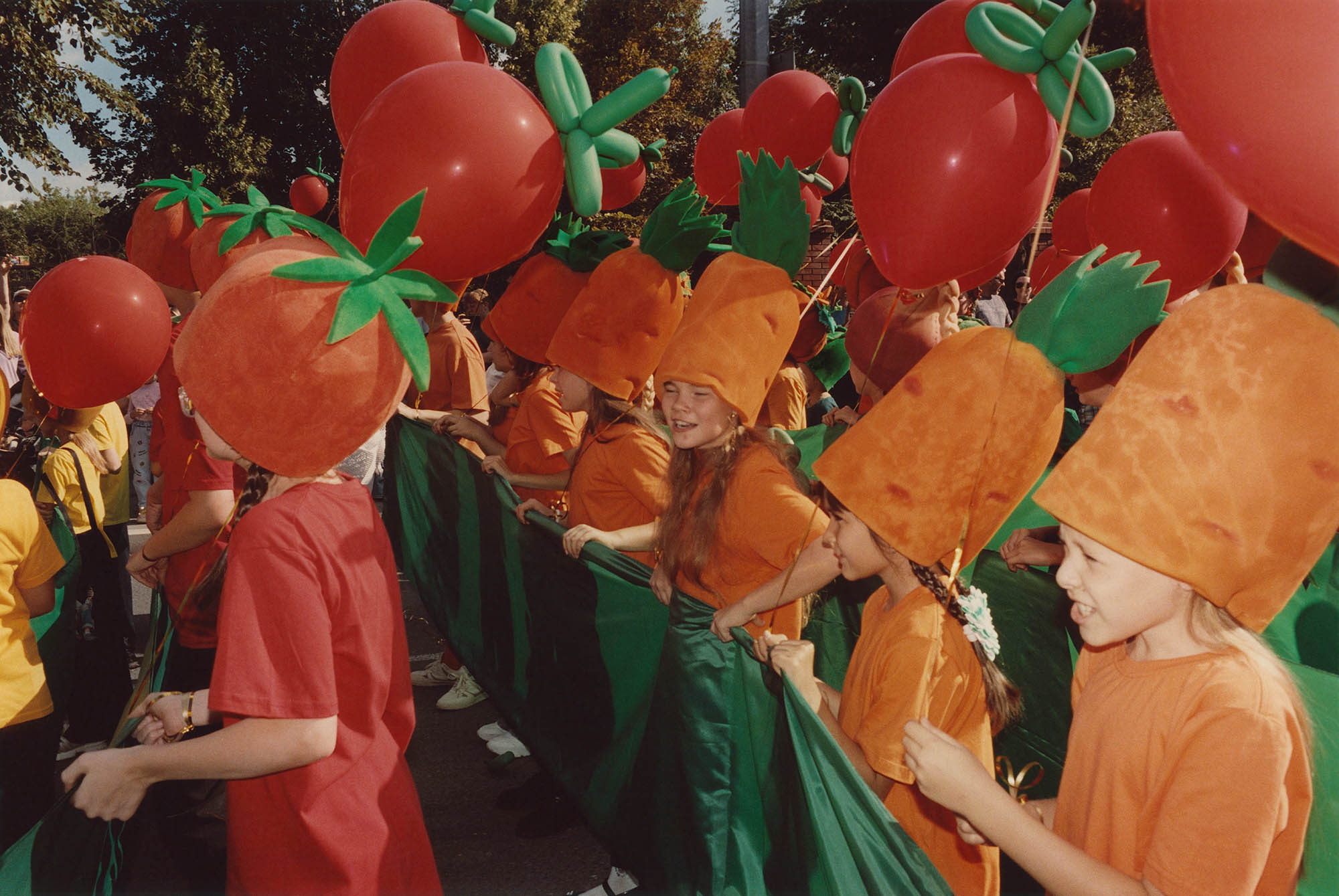
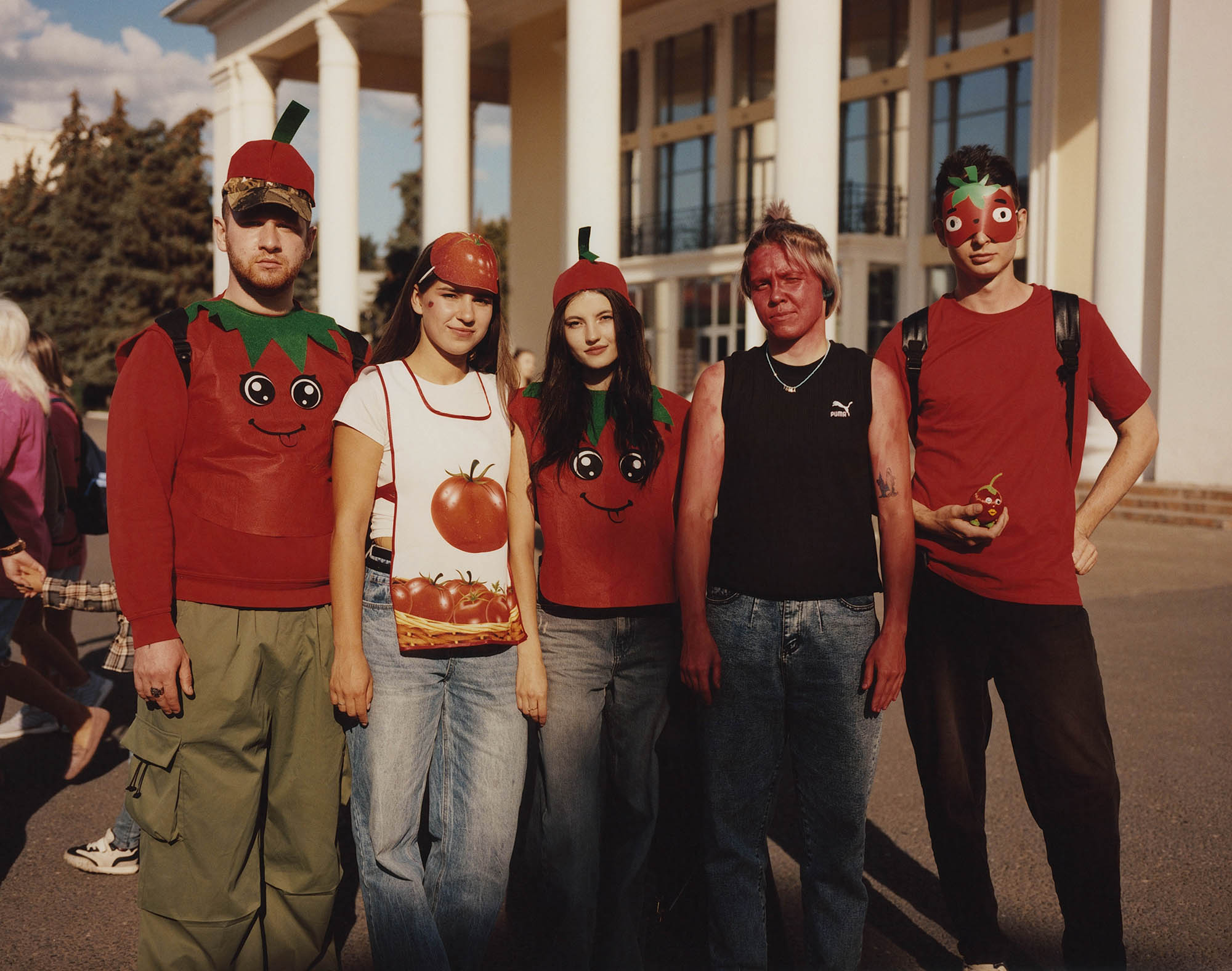
Today, the mystical and sacred meaning of vegetables is fading, yet they remain a cultural and gastronomic phenomenon. Vegetable and berry festivals are reaching record levels of popularity: in 2025, the Cucumber Festival in Suzdal attracted more than 20,000 visitors, while the Syzran Tomato Festival celebrated its anniversary and was held for the 25th time. As I visit vegetable and berry festivals across Russia, I observe how these modest gifts of nature, at first glance, are transformed into true pop-cultural icons.
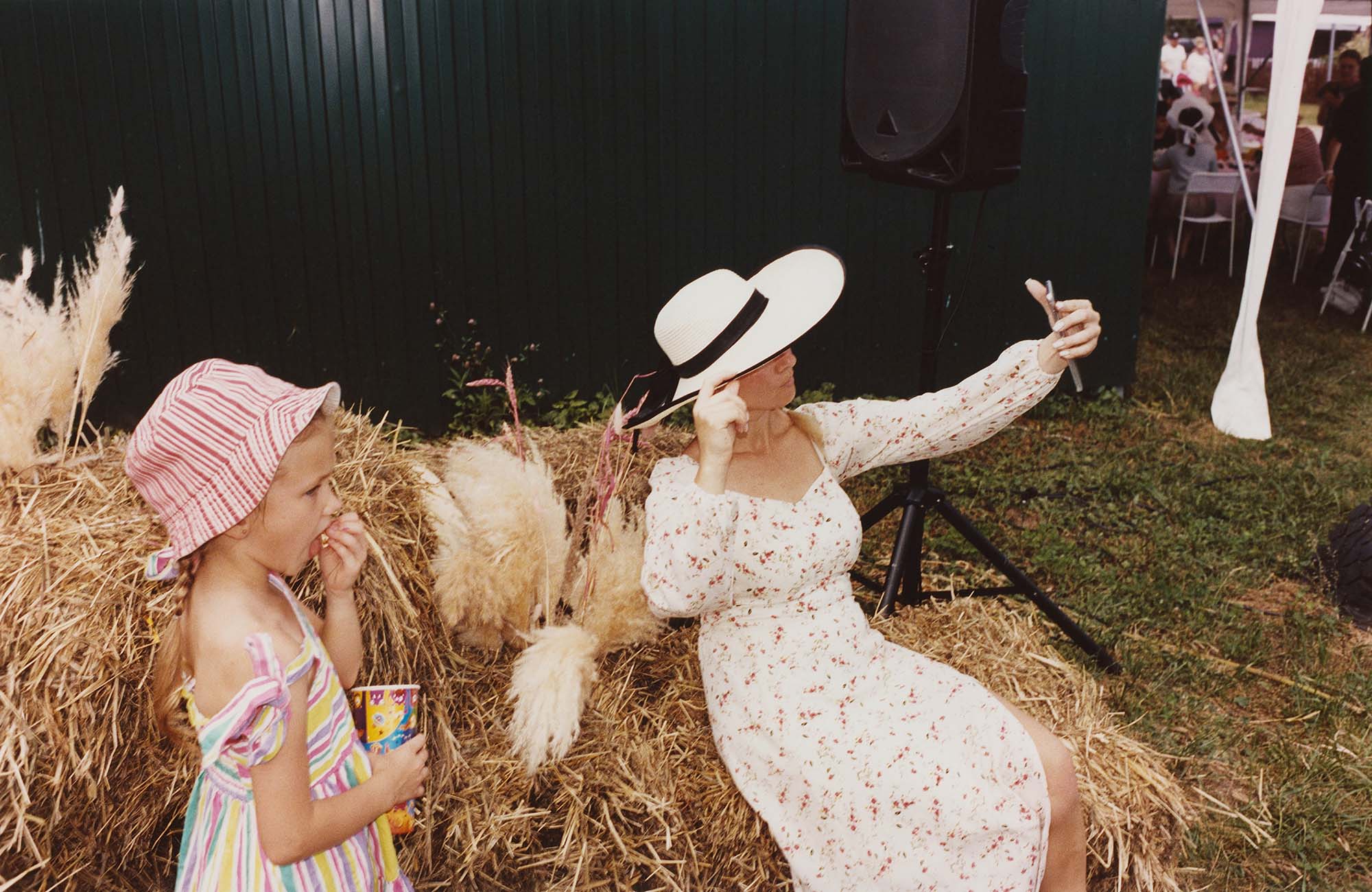
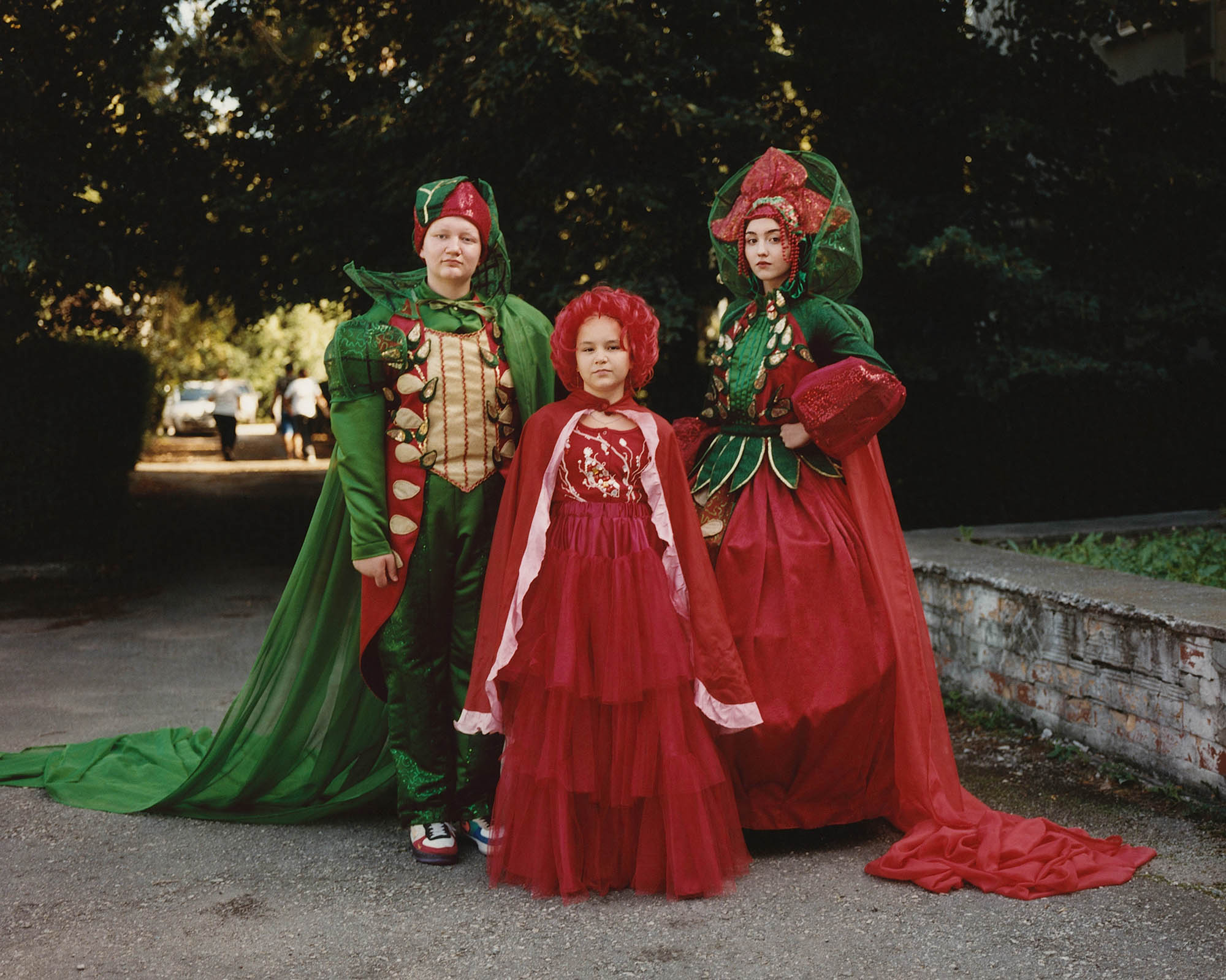
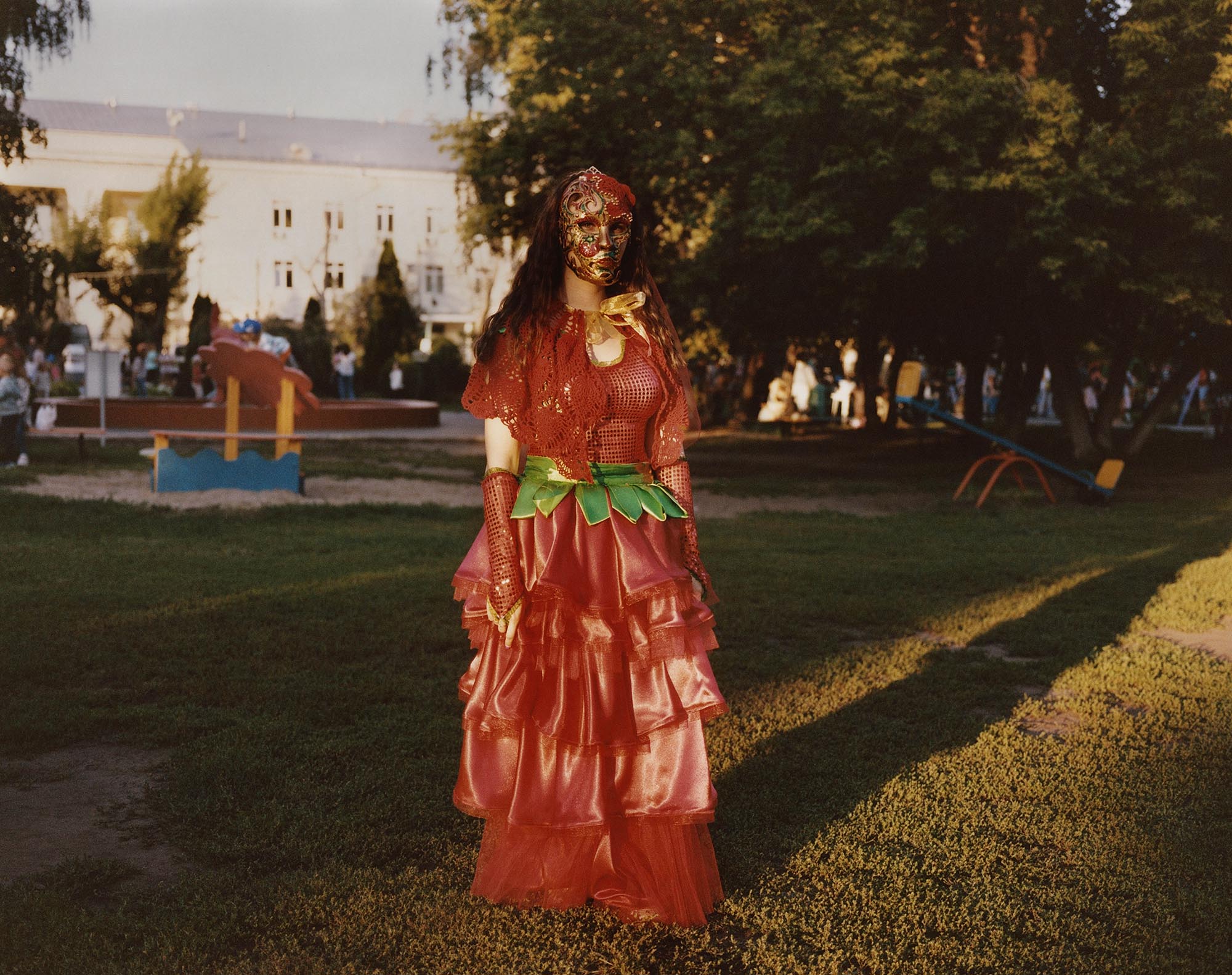
Visitors compete in creative self-expression, inventing costumes and outfits. The carnivalesque element of the festivals allows them to display their imagination, yet the central “fruit” of that imagination remains the same vegetables and berries, united by this biological term. Fruit of the Imagination is not so much about the festival visitor’s fantasy as it is about how, in our time, a new mythology is being created around the vegetable fruit. Only now, this mythology sparkles with glitter and marches in a parade.